
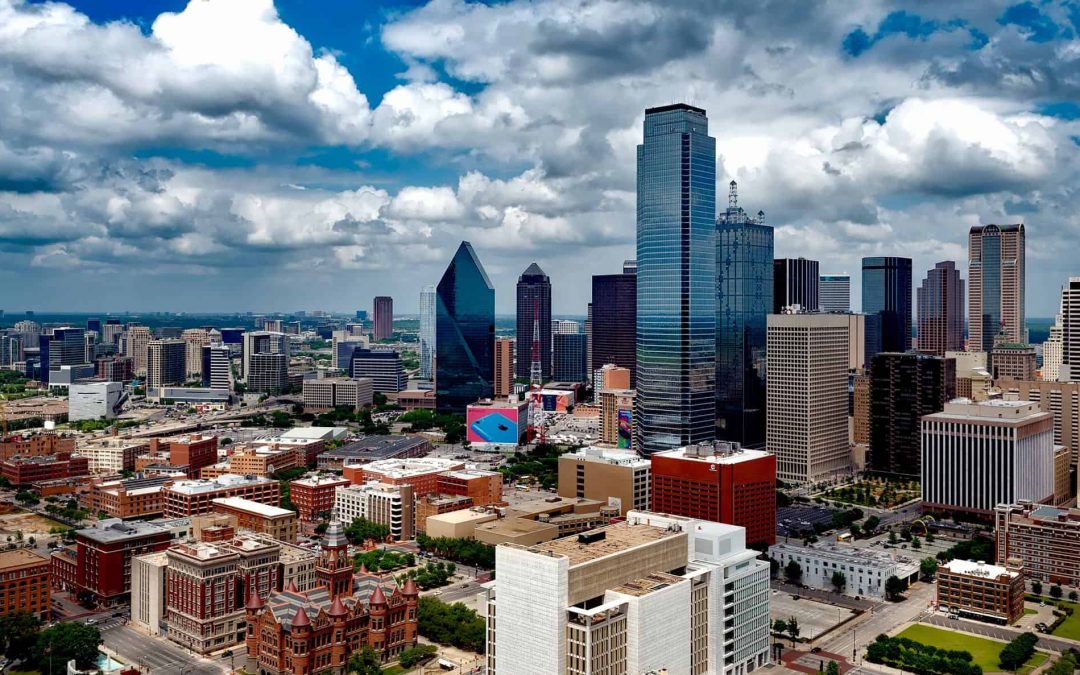
Flipping houses in Dallas, Texas, presents an exciting opportunity for investors ready to tap into a thriving real estate market. To begin this venture, it is important to understand the essential elements of fix-and-flipping. Noble Mortgage is here to help walk you through the process, costs, financing options, and the best DFW areas to consider for a profitable flip.
Get Started Flipping Houses in Dallas
1. Evaluate Local Market Trends
Review local market trends and neighborhood dynamics to predict the resale value after renovations. Dallas-Fort Worth remains one of the top U.S real estate investment markets due to sustained population growth, corporate relocations, and housing demand. According to PwC and the Urban Land Institute, DFW continues to rank among the most attractive metros for real estate investment and development.
2. Find a Property
Research the local area for undervalued or fixer-upper properties, or work with a real estate agent to find promising options.
3. Secure Financing
Once you identify a property, securing financing is essential. Options include fix-and-flip loans, available through reputable lenders like Noble Mortgage, who can help make your fix-and-flip project successful. We base our hard money loans on the after-repair value (ARV) of the property, which means we can offer up to 100% financing to include the purchase, repairs, and closing costs. Remember the 70 Percent Rule when flipping houses – investors should offer to pay no more than 70% of the after-repair value of a property, minus the repair cost.
4. Renovate Property
A detailed renovation plan is key. Focus on making improvements that enhance the property’s value without overspending. Collaborate with contractors and stick to your budget to maximize returns.
5. Market & Sell Property
When you are ready to sell, a well-executed marketing plan goes a long way. Put together effective strategies, such as home staging and online listings, to boost appeal to potential buyers.
Consider the Costs of Flipping a Home
Flipping houses in Dallas, TX, can be profitable, but it is important to understand the associated costs. Renovation and repair costs vary based on the property’s condition. Prepare a budget that accounts for both cosmetic updates, like painting, flooring, and structural repairs. Obtain detailed estimates from contractors and set aside a contingency fund for unexpected costs.
Financing is another crucial part of your flipping strategy. Options include traditional mortgages, hard money loans, and private financing. Traditional loans require extensive documentation, credit scores, and typically take longer to approve. Hard money loans provide quick access to funds based on the property’s value, do not require the same documentation and credit scores, and are often used for flipping houses. Noble Mortgage offers fix-and-flip loans in Dallas, ensuring timely financial support for your projects.
Estimating potential profit margins is also key to a successful flip. Use our hard money loan calculator to help estimate potential profits. We recommend aiming for at least a 20% profit margin to accommodate market fluctuations and unforeseen costs. Partnering with an experienced lender like Noble Mortgage can give insights into Dallas market trends and help you through the fix-and-flip loan process.
Best Places in Dallas-Fort Worth to Flip a House
The Dallas-Fort Worth metroplex is one of the fastest-growing regions in the United States, fueled by corporate relocations, population growth, and strong job creation. These factors continue to support steady housing demand and create opportunities for real estate investors. When deciding where to flip homes in the DFW area, investors should focus on neighborhoods with strong buyer demand, aging housing stock that benefits from renovation, and access to major employment corridors.
Below are several Dallas-Fort Worth areas that consistently attract attention from house flippers and investors.
1. East Dallas (Lake Highlands, Casa View, East Dallas)
East Dallas neighborhoods such as Lake Highlands and Casa View offer attractive opportunities for investors due to their combination of older homes, desirable location, and steady buyer demand. Many homes in these communities were built between the 1950s and 1970s, making them ideal for fix-and-flip projects because they often require cosmetic updates or full renovations.
These neighborhoods also benefit from their proximity to downtown Dallas, major employment centers, and popular lifestyle amenities like White Rock Lake. Buyers typically are willing to pay a premium for updated homes that maintain the character of established neighborhoods while offering modern upgrades.
2. West Dallas & The Cedars
West Dallas and The Cedars have experienced significant redevelopment over the past decade, transforming from historically industrial areas into emerging residential hubs. New residential construction, infrastructure improvements, and continued developer interest have helped drive appreciation across the area.
For house flippers, this type of transitional neighborhood can present a strong upside. Properties acquired at relatively lower prices can see significant value increases after renovation as demand continues to grow from buyers seeking close proximity to downtown Dallas.
3. North DFW Suburbs (Frisco, McKinney, Celina)
The northern suburbs of the Dallas-Fort Worth metroplex, including Frisco, McKinney, and Celina, have experienced huge growth in recent years. These cities continue to attract new residents due to strong school districts, corporate relocation, and expanding infrastructure.
While acquisition prices may be higher than in some urban neighborhoods, investors can still find opportunities in outdated homes or properties that need light renovation. Move-in-ready homes in these areas are in high demand among families relocating to North Texas, making well-executed renovations particularly attractive to buyers.
4. Arlington
Located between Dallas and Fort Worth, Arlington offers a central location that supports consistent housing demand. The city is home to major employers and attractions, including AT&T Stadium, Globe Life Field, and the University of Texas at Arlington, all of which contribute to a stable housing market.
Many neighborhoods in Arlington feature homes built several decades ago that would benefit from cosmetic upgrades and modernization. For investors, Arlington offers a balanced opportunity, with relatively affordable purchase prices and strong resale demand driven by its location.
5. Fort Worth (Near Southside, Oakhurst, Wedgwood, TCU Area)
Several Fort Worth neighborhoods have attracted investor attention due to steady appreciation and strong resale demand. Areas like Near Southside, Oakhurst, Wedgwood, and neighborhoods surrounding Texas Christian University (TCU) offer a mix of historic homes and mid-century housing that can be revitalized through renovation.
Near Southside has seen ongoing redevelopment driven by restaurants, entertainment venues, and walkable urban amenities. These types of lifestyle improvements often increase demand for renovated homes nearby, creating opportunities for house flippers in Dallas targeting buyers who want both character and modern upgrades.
6. Old East Dallas (a nearby area worth mentioning)
Old East Dallas is a logical “spillover” submarket to watch because it sits close to the broader downtown/uptown employment core while offering neighborhoods with renovation potential. As demand for central Dallas living strengthens, well-executed rehabs in nearby residential pockets can appeal to buyers who want proximity to the city’s major business districts without paying premium pricing found in the most expensive enclaves.
Historical DFW House Flipping Hotspots
While the Dallas-Fort Worth market continues to evolve, several areas have historically stood out as strong locations for house flipping due to their favorable acquisition prices, strong demand for renovated homes, and ongoing neighborhood revitalization.
Fort Worth – Zip code 76119
Fort Worth’s 76119 zip code has historically ranked among the most active house-flipping areas in the metroplex. The area has traditionally offered relatively low property acquisition costs compared to other parts of DFW, allowing investors to purchase distressed properties and add value through renovation.
Central Dallas Neighborhoods
Central Dallas neighborhoods such as Oak Cliff, East Dallas, and South Dallas have long been popular with house flippers due to their location near downtown and their large inventory of older homes. Many of these neighborhoods feature houses built decades ago that would benefit from modern upgrades. Investors who renovate these homes can appeal to buyers seeking character-filled homes close to the city’s business districts.
Strategic Takeaways for Investors
Successful house flipping in Dallas-Fort Worth requires more than simply purchasing a distressed property. Investors who consistently achieve strong returns tend to follow specific strategies that focus on data, market trends, and neighborhood growth patterns.
- Focus on zip-code-level data: Analyze data at the zip-code level to understand pricing trends, days on market, buyer demand, and renovation activity. Localized analysis helps identify areas where renovated homes consistently sell quickly and at strong prices.
- Target transitional neighborhoods: Many successful flips occur in transitional neighborhoods, or areas where redevelopment, infrastructure investment, and buyer interest are increasing but prices have not yet reached their peak.
- Avoid over-priced luxury submarkets: While luxury homes may offer higher resale prices, they also carry greater risk. High-end markets tend to have fewer buyers, longer sales cycles, and high renovation costs.
- Watch population and employment growth corridors: One of the key drivers of housing demand is job creation. Areas experiencing strong employment growth, corporate relocations, or infrastructure expansion often see increased housing demand.
Development Around Dallas’ Emerging Finance Corridor (Y’all Street) and Nearby Flip Markets
Dallas is seeing accelerating growth in financial services and capital markets infrastructure, often referred to in business coverage as “Y’all Street”. In parallel, major market institutions are establishing or expanding a Dallas footprint, including the Texas Stock Exchange (TXSE), which is being built and headquartered in Dallas, with a 2026 launch timeline.
Reporting in early 2026 noted TXSE operating from a temporary headquarters in the Knox/Henderson area while developing a larger in-city presence. Separately, NYSE Texas has been widely reported to have leased space at Old Parkland (3819 Maple Ave) in Oak Lawn, reinforcing the clustering of financial activity in and around Dallas’ core neighborhoods.
Why This Matters for House Flippers
When high-income professional employment concentrates near the urban core, it often supports demand for updated, move-in-ready housing in nearby neighborhoods, especially areas with older housing stock and renovation upside.
Finance a Fix and Flip Loan with Noble Mortgage
If you plan to fix and flip a house in the Dallas area, skip the hassle of a bank and apply for a fix-and-flip hard money loan with Noble Mortgage. These types of loans are specifically designed to help investors quickly fix and flip a distressed property.
Noble Mortgage’s hard money loans are based on the ARV (after-repair value), so you can buy cheap and sell for a profit. Contact our team to learn how you can qualify for a $100K – $5MM loan!
Sources and Further Reading:
- Dallas Real Estate Investment Guide: Best Neighborhoods for ROI in 2026 – GoalLine Real Estate
- Emerging Dallas Neighborhoods for Investment & Rentals in 2026 – Dicken Low Real Estate
- 4 Dallas Real Estate Trends Investors Can’t Ignore in 2026 – Evernest Dallas
- Best Fort Worth Neighborhoods for Real Estate Investors in 2025 – Westrom Group
- What to know about the Texas Stock Exchange, Y’all Street – Dallas News
- Flipping Properties Latest Trend Report – ATTOM
- Texas fastest growing city, Princeton Fort Worth – The Texas Tribune
- Housing Market Data – Redfin
- Texas Housing Insights – Texas Real Estate Research Center
- Dallas-Fort Worth Region Facts – Dallas Chamber